

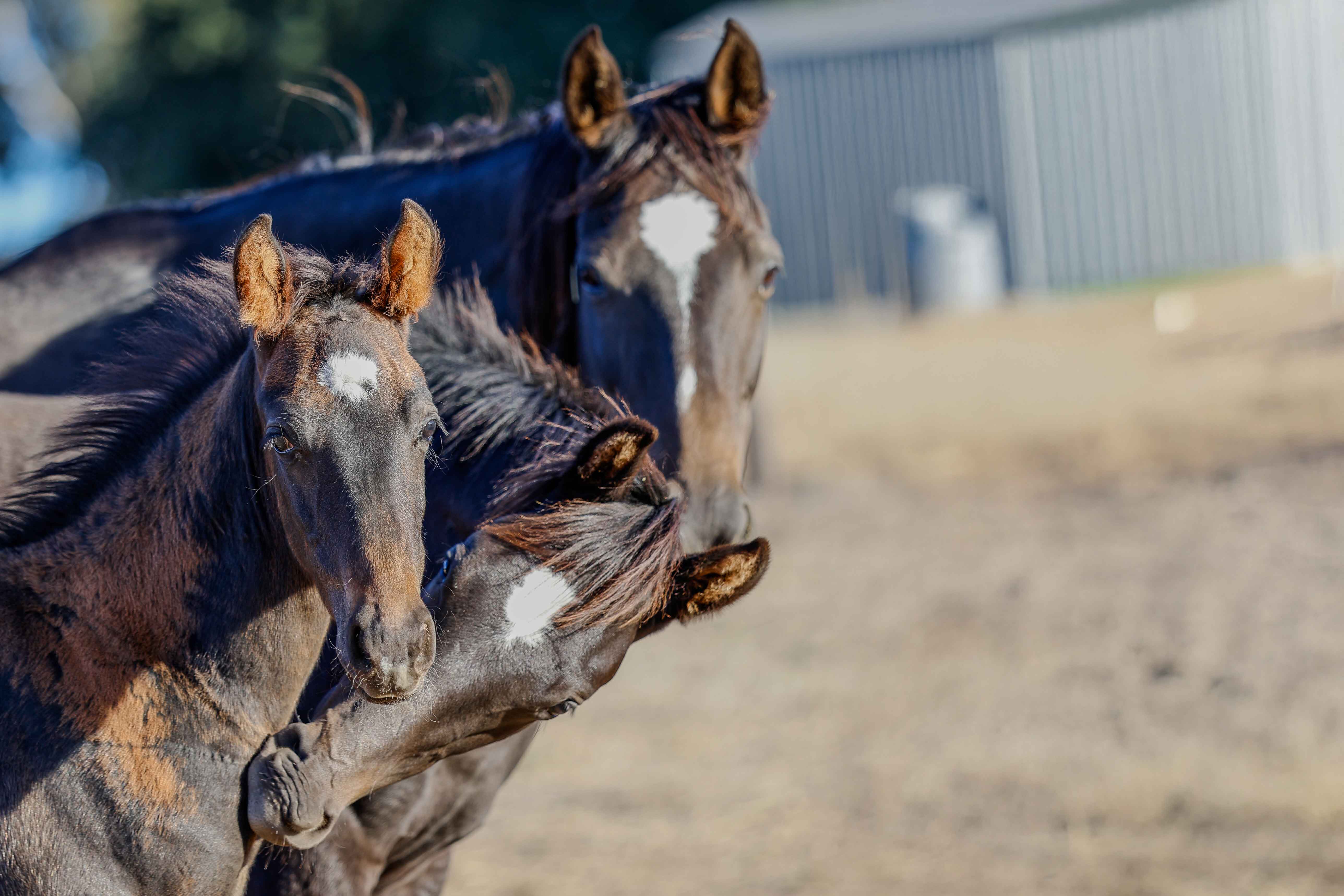
8 October, 2025
Sometimes I come across interesting articles, including two recent ones on how ancient DNA revealed the genetic selection that made horses rideable; which I have summarised below.
A wave of genetic research published in Science has rewritten the story of horse domestication, pinpointing the biological upgrades that turned wild herding animals into the rideable powerhouses we know today. Scientists who studied over 70 horse genomes, ranging back thousands of years, traced selection to genes associated with temperament and physical strength.
Genetic Selection Behind Rideability
According to findings from two recent articles published in the Science Journal (1,2), researchers analysing genomes thousands of years old uncovered these two game-changing developments.
First important genetic shift occurred about 5,000 years ago, when breeders unconsciously selected for horses carrying a variant of the ZFPM1 gene—now linked to reduced anxiety and greater tractability. This selection for a more manageable disposition made horses easier to handle, laying the groundwork for safe handling and riding.
Not long after, about 4,700 years ago, the selection for GSDMC gene variants altered the horse’s spinal anatomy, motor coordination, and muscular strength—characteristics crucial for riding and harness. By about 4,150 years ago, these changes had transformed horses into the ideal partners and was central to reshaping human societies.
Testing The Genes
In an innovative twist, scientists validated the impact of these genes by experimenting with mouse models, confirming that alterations in ZFPM1 had a decrease in anxiety and stress responses and the GSDMC gene variants showed an increase in physical backbone and forelimb strength, and improved motor coordination. This experimental validation moves beyond theoretical genetics into proof that these genetic changes shaped the horses’ ability to be handled safely, ridden, driven, and trusted in the field.
Social and Cultural Impact
What followed was transformative. Rideability unlocked by these genetic changes led to horses becoming indispensable for transport, agriculture, and warfare. Within centuries, mounted riders reshaped trade, territory, and cultural exchange—fuelling expansions of human society, networks, and economies. The genetic changes were so profound that the beneficial genetic variants became dominant across domesticated horse populations.
What This Means for Breeders
These discoveries illuminate why certain bloodlines excel by revealing the ancient origins of current genetic traits. Ancient humans selectively bred horses for particular traits that suited their environments and lifestyles, such as endurance for nomadic travel or strength for agricultural work. Modern breeders have the advantage of combining tailored breeding programs with genetic testing, enabling breeders to predict a foals potential, confirm parentage, prevent hereditary disease, and preserve genetic diversity—leading to better decisions, healthier horses, and improved performance.
In essence, the excellence seen in some bloodlines reflects a unique combination of ancient genetic advantages established during early domestication, passed down to modern horses. This deep genetic foundation explains why certain bloodlines consistently produce horses with the temperament, structure, and ability sought after by breeders and riders.
References:
- Laurent Frantz, The rise of rideable horses. Science 389, 874-875 (2025). DOI:10.1126/science.aea6151. ↩︎
- Xuexue Liu et al., Selection at the GSDMC locus in horses and its implications for human mobility. Science 389, 925-930 (2025). DOI:10.1126/science.adp4581. ↩︎